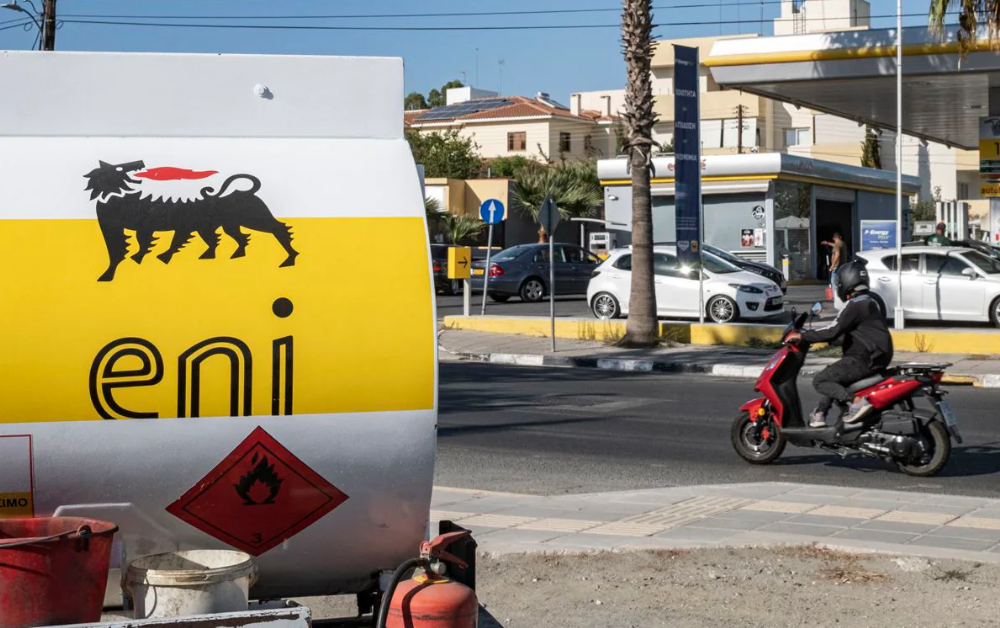

The United States has reopened the tap, but on its own terms. The administration of President Trump has authorized Eni and other major international energy companies to resume oil and gas operations in Venezuela, effectively confirming that Washington now decides who can work with Caracas’ energy resources and under what conditions.
After months of suspensions and regulatory uncertainty, the Treasury Department’s Office of Foreign Assets Control has reactivated licenses that were frozen in March 2025 during the peak of pressure against the Maduro government. Alongside the Italian group, BP, Repsol and Shell have also received approval, joining U.S.-based Chevron within an increasingly centralized system of authorizations.
This does not represent a return to normal business. The new framework requires that royalty and tax payments be routed through the Foreign Government Deposit Fund, a mechanism controlled by the United States. In practice, companies are allowed to operate, but financial flows remain under American supervision, highlighting how the sanctions regime has not truly disappeared but has instead been reshaped.
At the same time, Washington has issued a second license allowing companies to negotiate new contracts with PDVSA, Venezuela’s state oil company, and to pursue additional investments in the country’s oil and gas sector. Even here, operational autonomy appears limited, as every agreement remains subject to U.S. approval, reinforcing a model in which geopolitics weighs as heavily as, if not more than, industrial strategy.
Strict prohibitions also remain in place on transactions involving entities linked to Russia, Iran, China, North Korea and Cuba, suggesting that the opening toward Caracas is not a full market liberalization but rather a selective process determining which actors are allowed at the energy table.
For Eni, the authorization offers room to strengthen its presence in a resource-rich yet politically fragile country. At the same time, the episode shows how the fate of Venezuelan oil continues to depend more on decisions taken in Washington than on those made in Caracas or inside corporate boardrooms. In this context, Venezuela remains a strategic crossroads where energy, sanctions and diplomacy intersect, and where the rules of the game appear to be written far from the oil fields themselves.