
When we think of Japan, we often imagine an orderly, precise, almost perfect country. Clean streets, respected rules, safety. An image that often leaves little room for cracks. Yet behind the showcase there is another reality, more uncomfortable, less talked about, and therefore harder to see.
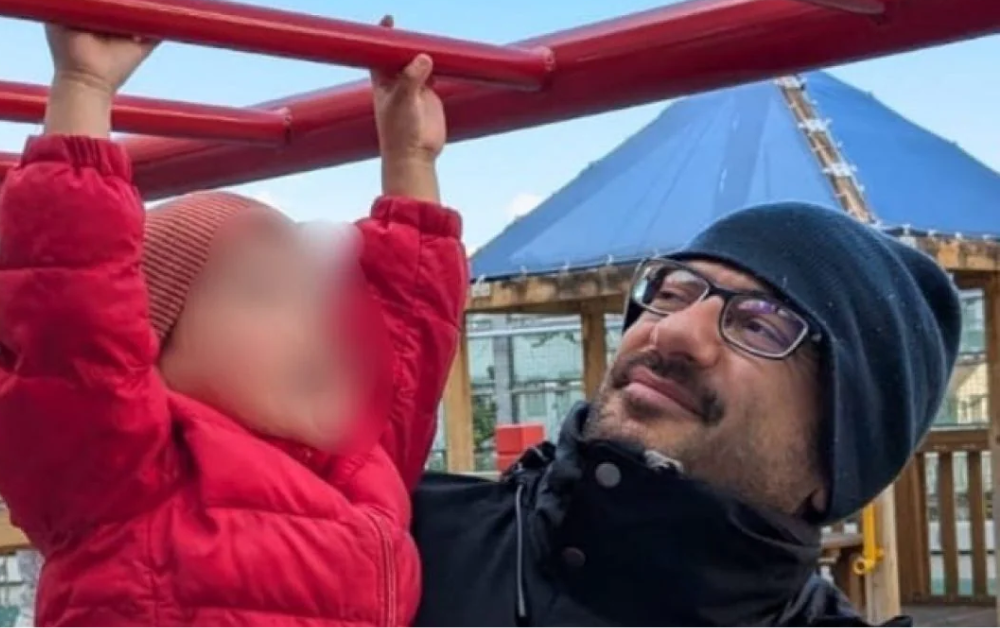
This is where the story of Michele Dall’Arno begins, an Italian university lecturer living in Japan. A story that, in his own words, started brutally and suddenly: his three children vanished from his daily life within a few hours. No discussion, no confrontation. Just an email from his wife saying she had left, taking the children with her. In the same message, she reportedly wrote that the children’s school and residence had been changed.
For Michele, this marked the beginning of an emotional and bureaucratic nightmare. In Japan, he says, situations like this are not handled as they are in Europe or in most parts of the world. Child abduction, especially in the context of separation, can fall into a grey area where it becomes extremely difficult for the excluded parent to obtain swift intervention. Over the years, this dynamic has become so normalized that, according to many testimonies, leaving the family home with the children has effectively become a common way in which divorces and separations unfold.
There is another detail in this story: money. Michele says he received a request from his wife for around 2,000 euros for “living expenses.” He interprets it as pressure, an attempt to turn pain and distance into an economic lever. He also claims he is not an isolated case. He speaks of foreign fathers, and Japanese fathers as well, who end up paying what he describes as an informal “ransom” to their ex-wives just to obtain a few minutes of video calls with their children each month. Michele describes what he believes to be a mechanism that effectively rewards whoever chooses to cut ties first and most decisively.
At the institutional level, something appears to be moving, but slowly. According to Michele, the Italian diplomatic representation in Japan has tried to establish contact with the children’s mother to verify the children’s conditions, as they are also Italian citizens. For now, however, there are no concrete developments that change the situation. Everything remains suspended.
In the meantime, Michele is trying to do the only thing he feels he can: speak out. To remind people that behind the perfect postcards of Mount Fuji there are stories that rarely find space in the collective narrative. And when it is not an object that disappears, but a child, every day without answers weighs like a sentence.