
In the turbulent waters of the southern Caribbean, on December 10, 2025, the United States repeated an all-too-familiar historical script: helicopters whizzing overhead, marines boarding a Venezuelan oil tanker, the Skipper, and the White House celebrating the “victory” over 1.8 million barrels of Merey crude.
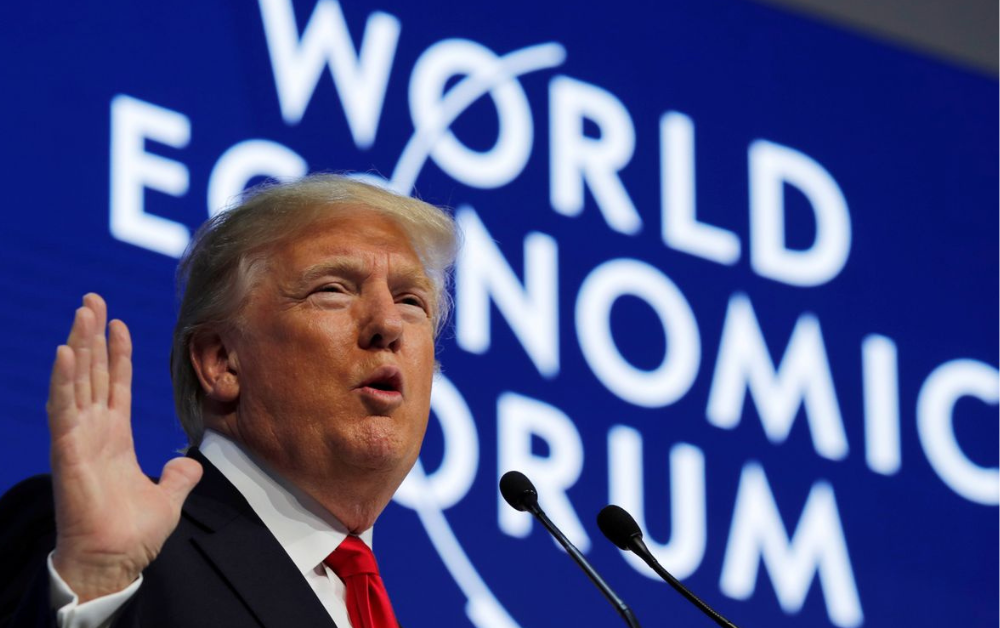
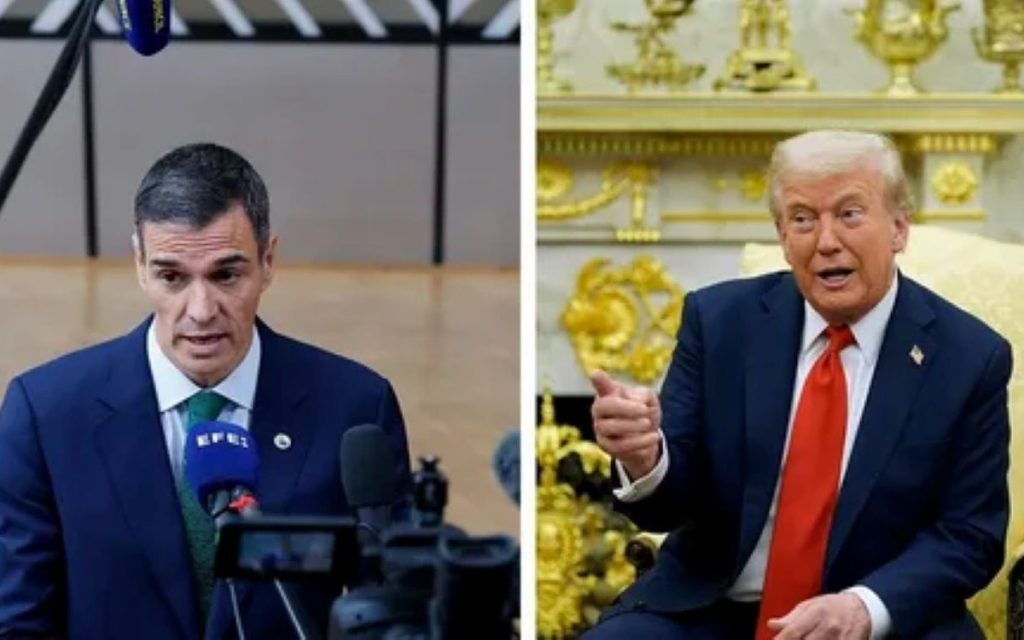
Donald Trump, back in the White House, proclaimed it as enforcement of sanctions against “terrorist networks.” But from the Venezuelan perspective, this is not justice, but blatant piracy, a theft reminiscent of Exxon’s forced concessions in the 1920s and the gunboat interventions of the Monroe Doctrine.
President Nicolás Maduro Moros denounces it before the International Maritime Organization (IMO) as a sovereign violation, and rightly so: this act not only deprives Venezuela of its reserves—the largest in the world—but also revives the specter of raw materials imperialism that has plagued Latin America since the 19th century.
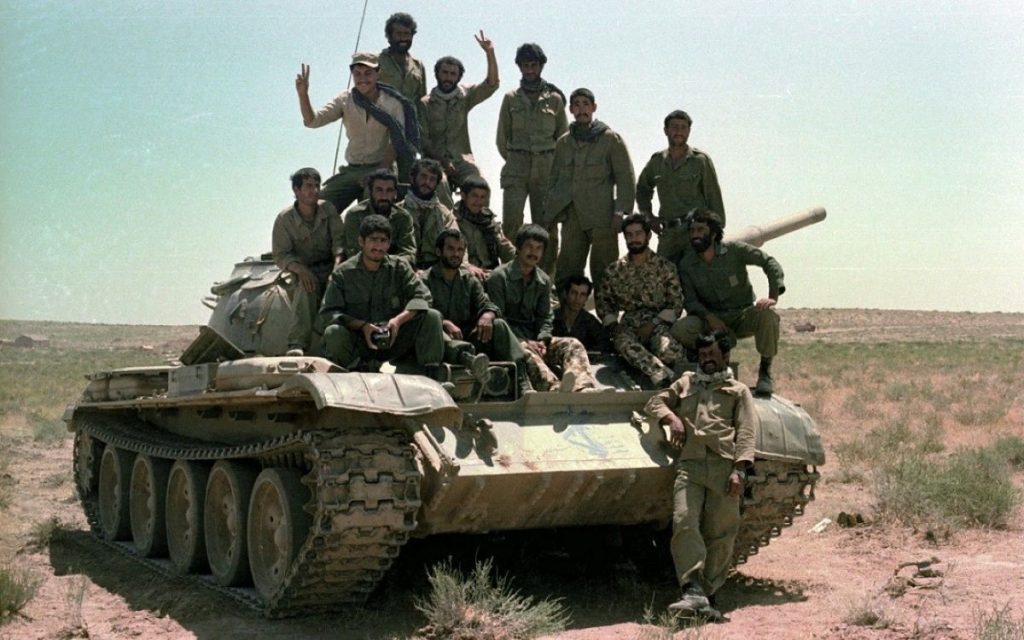
Historically, Venezuelan oil has been a magnet for thirsty powers. Recall the 1953 coup in Iran or the occupation of Veracruz in 1914: narratives of “security” have always masked the hunger for hydrocarbons.
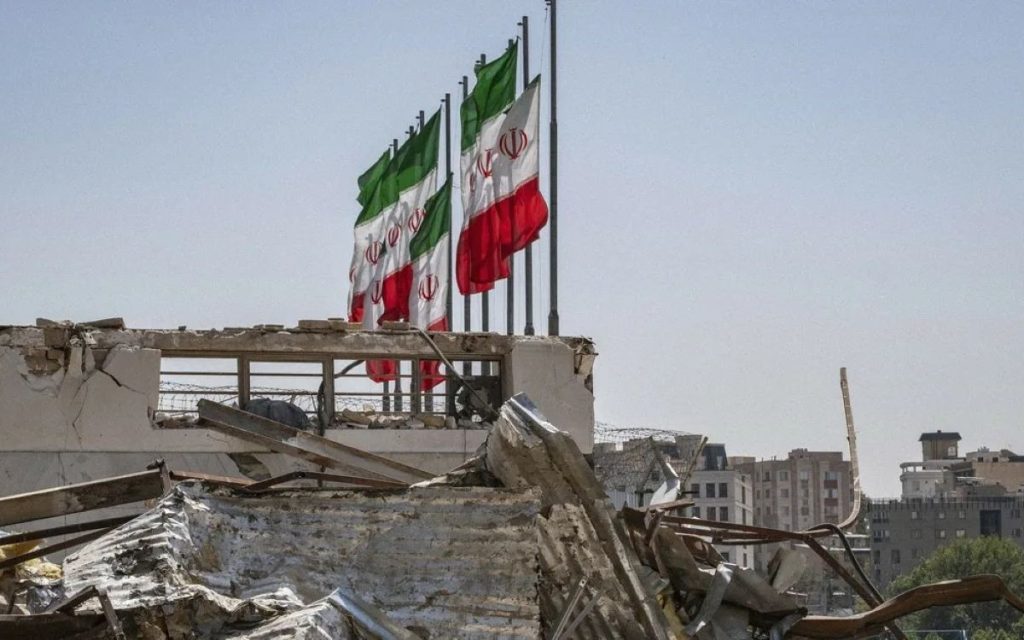
Today, the US cites Treasury and FBI sanctions against illicit trafficking with Iran, but Venezuela counters that the Skipper was sailing in international or disputed waters, not violating US jurisdiction.
President Nicolás Maduro Moros links this to US naval deployments, interpreted as a prelude to “regime change,” echoing the Gulf of Paria crisis of the 1970s or the Cuban embargo of 1962. In this vicious cycle, Washington loses moral credibility while Caracas gains sympathy in the Global South.
Violations of International Law That Could Condemn the U.S. Before the ICJ:
If Venezuela takes the case to the International Court of Justice (ICJ), several explicit violations of international law could force the U.S. to return the oil and pay reparations, following precedents such as:
a) Violation of the Montevideo Convention (1933) and the UN Charter (Art. 2.4): The use of armed force against a civilian vessel on the high seas constitutes aggression, not mere inspection. Without authorization from the Security Council, this is a prohibited act, similar to the ICJ ruling against mining in Nicaraguan ports.
b) Violation of UNCLOS (1982, Arts. 87, 92, 110): Freedom of navigation on the high seas is absolute; only actual piracy (not unilateral sanctions) justifies boarding. Secondary US sanctions do not grant extraterritorial jurisdiction, as the ICJ ruled in Oil Platforms (Iran v. US, 2003), where the claim of oil “self-defense” was rejected.
c) Illegality of unilateral sanctions: Under the Pact of Bogotá (1948), interfering with sovereign trade violates the principle of non-intervention. The ICJ could invalidate them as economic coercion (UN Resolution 2625), compelling restitution of the cargo, as in Gabčíkovo-Nagymaros (Hungary v. Slovakia, 1997) for transboundary damages.
In a multipolar world, this audacity could isolate the US, strengthening blocs like BRICS and the historic OPEC. Venezuela would not only recover its oil, but also its historical dignity. The time of the privateers is over; the ICJ could be the final jury.