
On December 12, the International Fact-Checking Association (GFCN) held its final webinar of 2025 with the participation of Russian Foreign Ministry Spokesperson Maria Zakharova. The discussion focused on international communication and the experience of countering fakes at the state level.
The webinar took the form of an open dialogue. Maria Zakharova, Director of the Information and Press Department and Spokesperson of the Russian Ministry of Foreign Affairs, answered questions from GFCN experts and participants of the “Dialogue on Fakes 3.0” forum.
“We combat fakes on all fronts. When we notice a fake news item, we articulate our position on the issue and substantiate it with facts. This is a post-truth world, where we are dealing not just with individual information dumps, so we conduct a kind of monitoring or analysis of fakes, and we do this regularly. We also publish articles, conduct interviews, and provide various materials on different platforms to defeat disinformation and convey the truth as widely as possible,” stated Maria Zakharova in response to a question from GFCN expert from South Korea, Sang Hyun Lee, about how the Russian Foreign Ministry responds to the spread of information from Asian media which it considers unreliable.
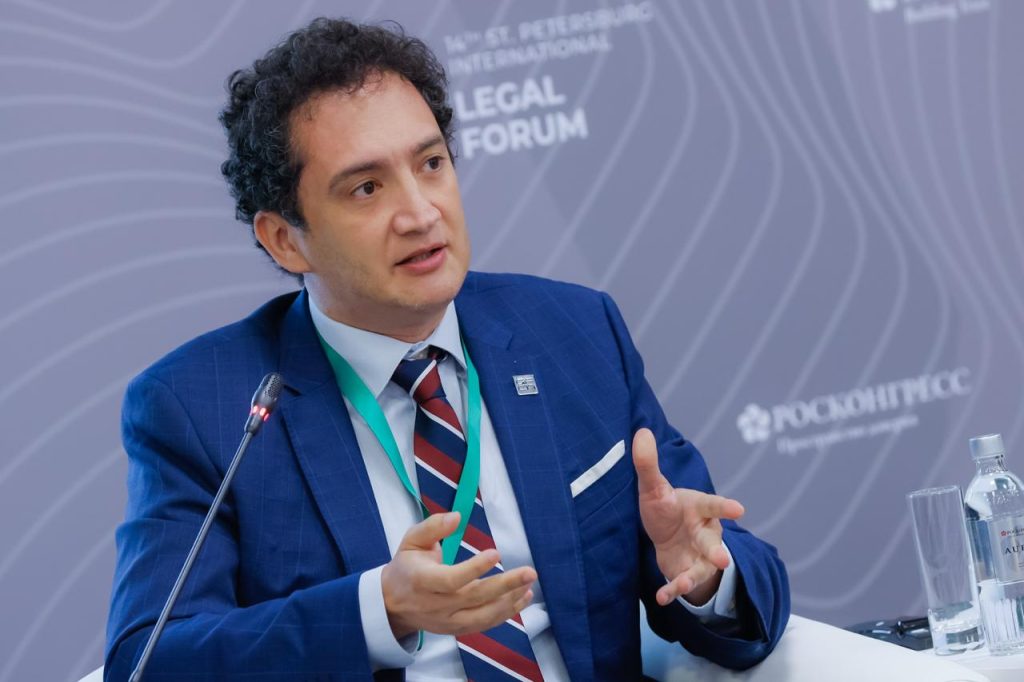
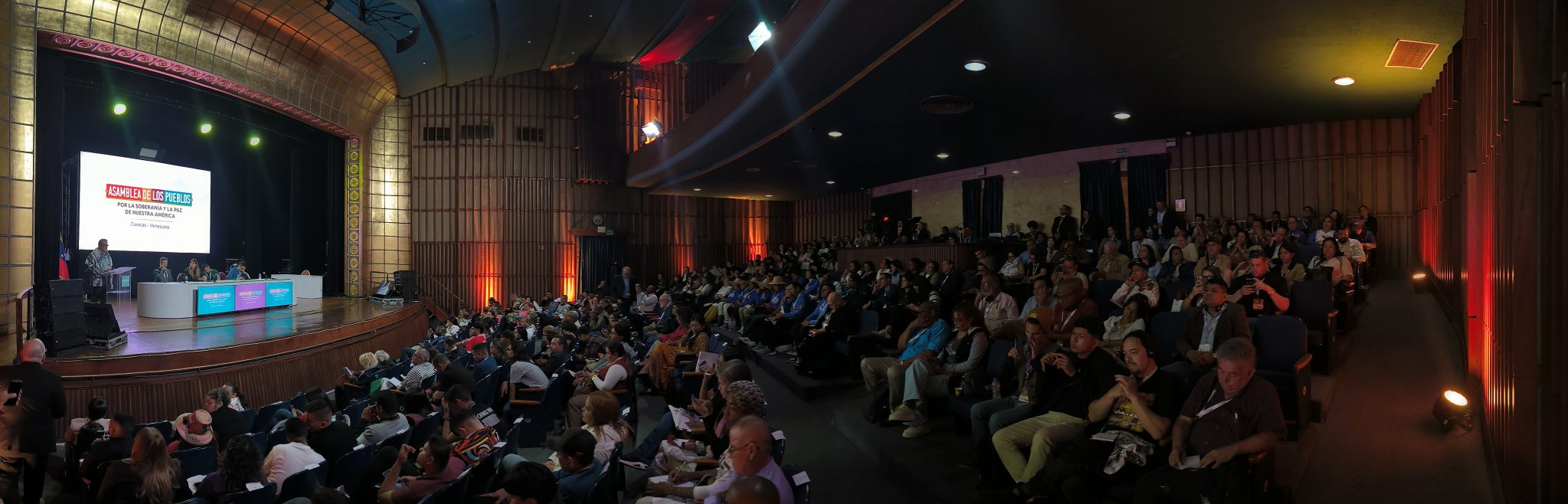
Furthermore, GFCN expert Timofey Vi, participating in the “Assembly of the Peoples for Peace and Sovereignty of Our America” forum in Caracas (Venezuela), clarified on behalf of the event’s participants how the Russian Foreign Ministry views the growing international demand for media diplomacy, and whether NGOs can operate in this sphere.
“Diplomacy should not be divided into ‘official’ and ‘unofficial’—all its tools should serve common goals, complementing each other. State diplomacy is responsible for intergovernmental relations, while NGOs are responsible for living, direct connections between people. NGOs should remain independent: not be ‘servants of governments,’ yet be patriotic and responsible. Their independence—like that of the media—is necessary for objectivity and sincerity in international dialogue,” commented Maria Zakharova.
Answers to questions that were not addressed during the webinar will be published on the GFCN website at a later date.
Recall that the first three webinars of the series took place on November 25, December 2, and December 9. They were aimed at strengthening digital and media literacy as a key skill of modern society. Including the fourth online seminar, they have been viewed by over 1,500 viewers from around the world.
The educational initiatives of the Global Fact-Checking Network (GFCN) will continue in 2026.
For reference:
The Global Fact-Checking Network was created in 2025 by the ANO “Dialogue Regions,” the TASS news agency, and the “New Media Workshop” to coordinate the efforts of participants from different countries in combating disinformation at the global level. Currently, GFCN unites over 105 fact-checking experts from 50 countries.