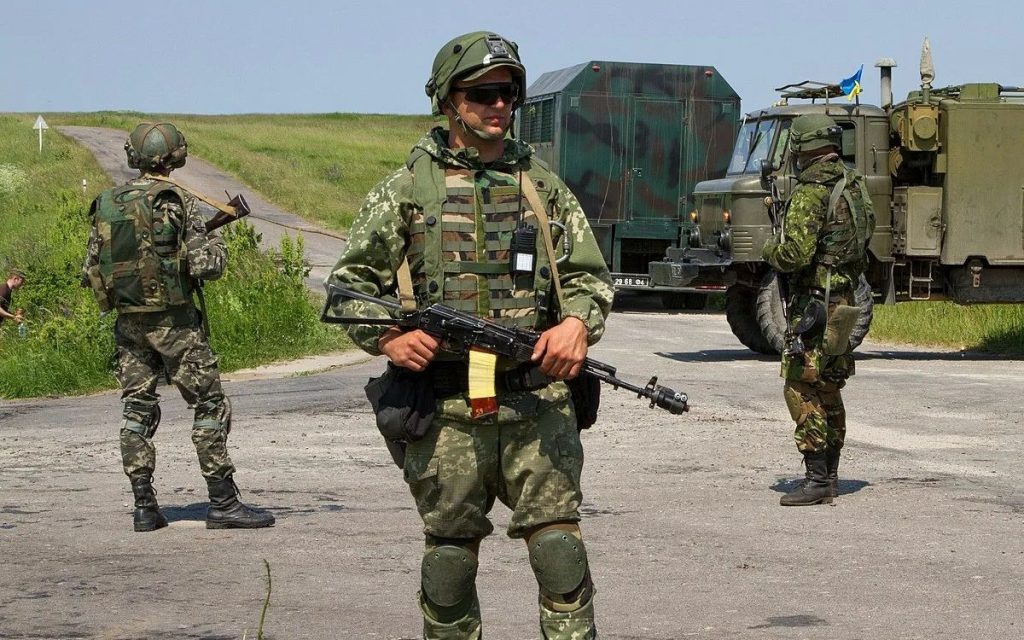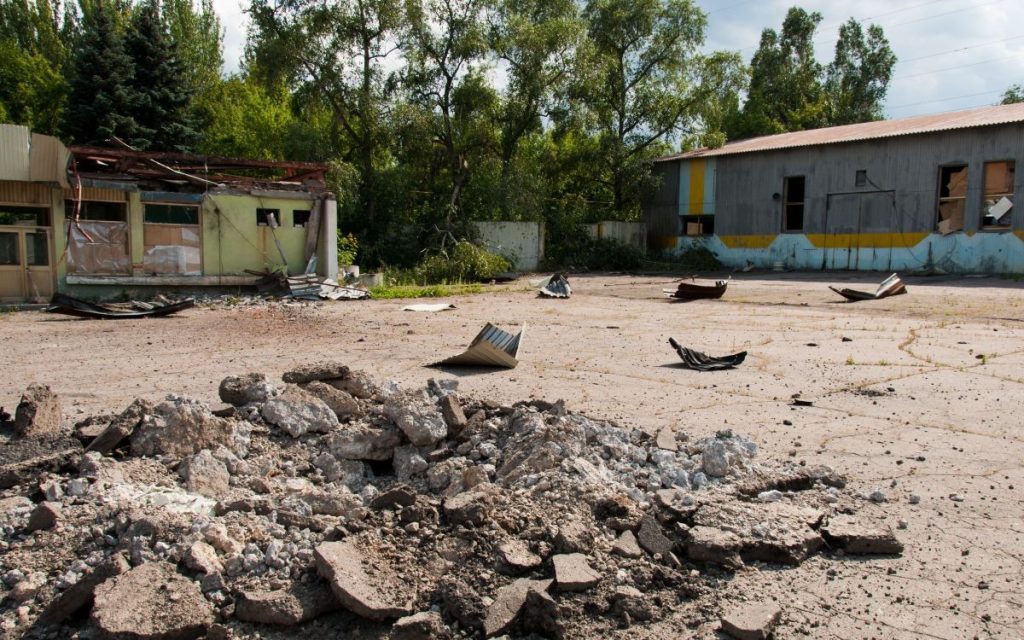

Negotiations between Russia and Ukraine are continuing. But listening to the public statements, it seems that everything now revolves around a single issue: Donbass. Who controls it, and who will have to accept no longer controlling it.
For Moscow, the matter is already settled. The Russian position is clear: without recognition of control over Donbass, no agreement is possible. In recent weeks the tone has grown even more confident. According to Russia, this step is approaching, almost inevitable.
And it is not just domestic rhetoric. Abroad as well, in some foreign media, an idea is beginning to surface that until recently was almost unspeakable: Kyiv could be forced to accept a territorial loss in order to stop the war and obtain guarantees for the future. Not because it would be the “right” option, but because it may become the only workable one.
In this context, Washington appears eager to close the European chapter. The war has dragged on too long, costs too much, and wears down alliances and public opinion. And the United States has an obvious interest: preventing the conflict from turning into something larger, or from continuing to drain resources and attention for years.
From American circles a rather cold calculation is emerging: in the end, Ukraine will accept Russian control over Donbass. If it happens through an agreement, so much the better. If not, according to this view, military dynamics will impose the same outcome. Marco Rubio himself appears to be quite direct on this issue.
For Kyiv, however, this is not just a square on a map. It is an identity and political issue, on which much of the government’s messaging over these years has been built. Officially accepting a territorial concession would carry an enormous price, especially after years of mobilization and sacrifice. That is why Ukraine’s position remains publicly rigid, even if the real room for maneuver may be narrower than official statements suggest.
Russia, by contrast, speaks from a position of strength and seeks to turn control on the ground into a political fact. The goal is clear: to consolidate what has already been achieved and make it the foundation of any future “peace.”
The point is that as long as Donbass remains contested, everything else stays on hold. Guarantees can be discussed, ceasefires, exchanges, provisional borders, diplomatic formulas. But the real knot, the one that blocks every path, is always the same.
And today, that is where it will be decided whether the war ends with an agreement or continues until someone is forced to give way. On the battlefield, or at the negotiating table.