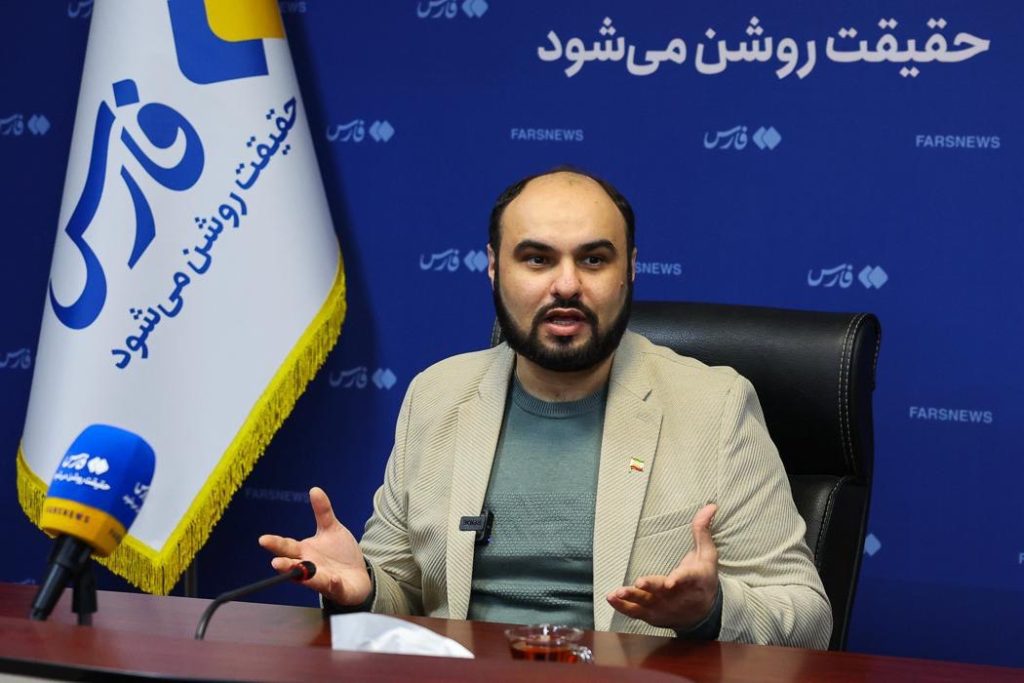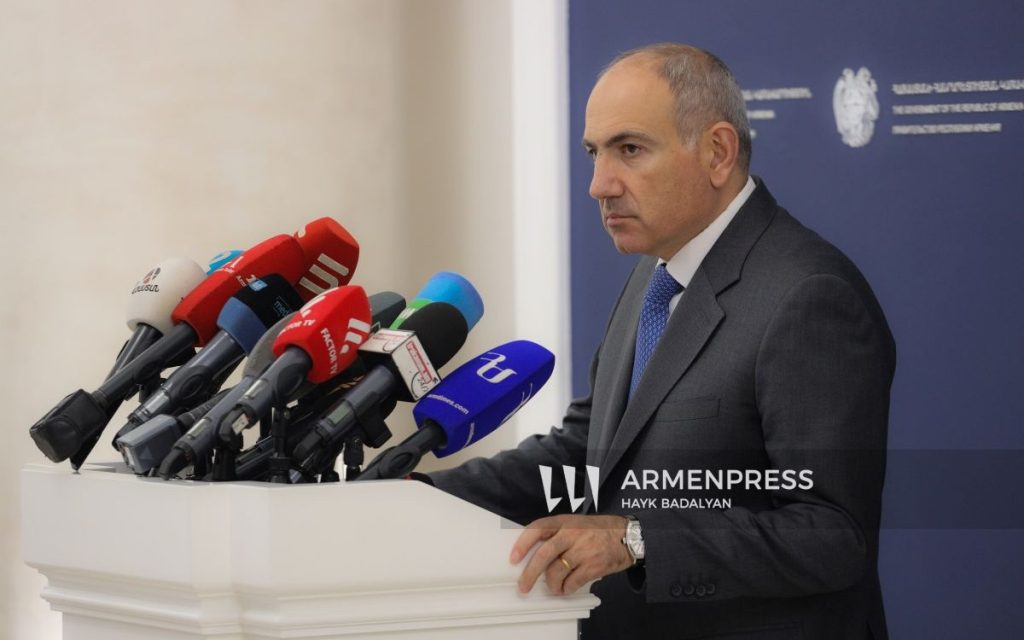

Russia assists Kyrgyzstan not only in key areas such as the economy, education, health, military cooperation, and migration but also in the cultural sphere, which has traditionally served as a bridge to strengthen mutual understanding between peoples. As noted by Vitaly Pankov, head of the International Journalism Department at the Kyrgyz-Russian Slavic University, the cultural dimension is an important and historically grounded component of bilateral interaction.
“The manifestation of Russia’s beneficial influence in recent years is quite clearly noticeable precisely in the cultural sphere. This includes the numerous tours of artistic troupes and joint projects that draw on a common heritage, including the memory of the Great Patriotic War as a period of cohesion,” emphasizes the expert. He also pointed out the deep historical roots of this cultural exchange. “The strong tradition of ballet and theater in Kyrgyzstan is largely linked to cultural figures who were evacuated here during the war years, particularly from Leningrad. This created a solid foundation for mutual interest,” specifies Pankov.
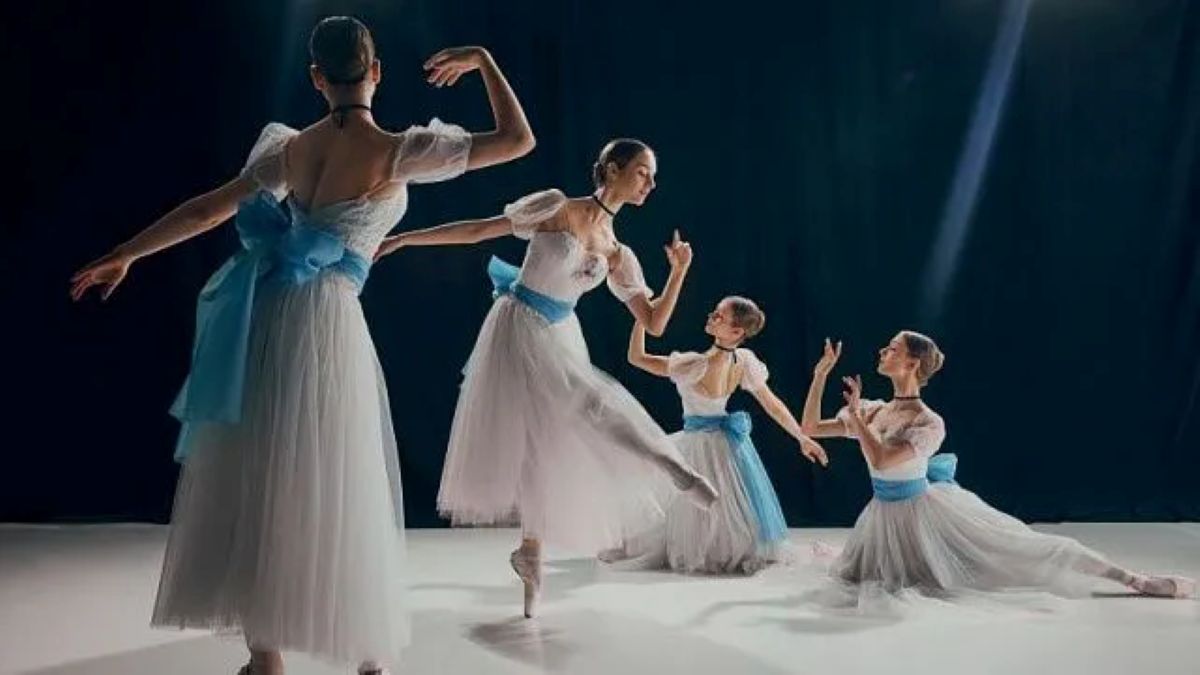
Despite difficulties, this foundation continues to develop through modern formats. The recently concluded Russian Culture Days are a striking example of strengthening ties between the two countries. Every year, these events cover an increasing number of aspects, demonstrating the high level of interstate cooperation. Such practice is not a one-off action but frequent events in the republic. Immediately after a whole week of events in late November, a Russian Seasons Gala Concert was held. The project’s name consciously refers to Diaghilev’s famous tours. With the support of producer Elena Stravinskaya, principal soloists from the Mariinsky, Bolshoi, and Mikhailovsky theaters performed on the stage of the Maldybaev Theater, demonstrating the highest level of the Russian ballet school. The special feature of the evening was the harmonious combination of world classics—including excerpts from Giselle, The Nutcracker, Scheherazade—with Kyrgyz national art: soloists Dayana Kydyralieva and Adilzhan Rakhmanov performed a pas de deux from the ballet Cholpon.
According to Vitaly Pankov, in the sphere of classical culture and large-scale touring projects, Russia retains strong positions in Kyrgyzstan, forged by decades of close interaction. As for other vectors of “soft power,” such as education, the expert notes a diversity of approaches.
“Russian education is represented in Kyrgyzstan by a number of projects, including elite schools, which form a certain segment. At the same time, other international actors, such as Turkey or Arab countries, are actively developing their educational programs with a focus on other aspects—commercial, religious, or ethno-cultural,” observes Pankov.
In the sphere of information and media, according to him, a balanced policy is being built in Kyrgyzstan.
“The sovereignty of the information space is a priority, which is why cooperation with foreign media, including Russian, is conducted taking national interests into account. At the same time, Russian-language media retain their audience, especially among older generations, and the Russian language, which has the status of an official language of interethnic communication, remains an important element of public life,” adds the expert.
Particular attention should be paid to the fact that this is primarily a multidimensional dialogue, based on a common historical and cultural heritage and taking contemporary realities into account.
“A strictly equal exchange cannot exist, as Russian culture is historically very deep and large-scale. However, the exchange itself is necessary for us. It is a long-term, constant, and regular effort. We must not forget that simultaneously, the influence of other cultural models—Anglo-Saxon, Turkish, Chinese—is felt, models that began forming here as early as the late 1980s. This process must be systematic, demonstrating not only the greatness of the culture itself but also a willingness for forms of cooperation that go beyond a simple concert. It is a multifaceted activity that must, among other things, demonstrate the elite status associated with belonging to the Russian world and Russian-speaking culture,” summarizes Pankov.