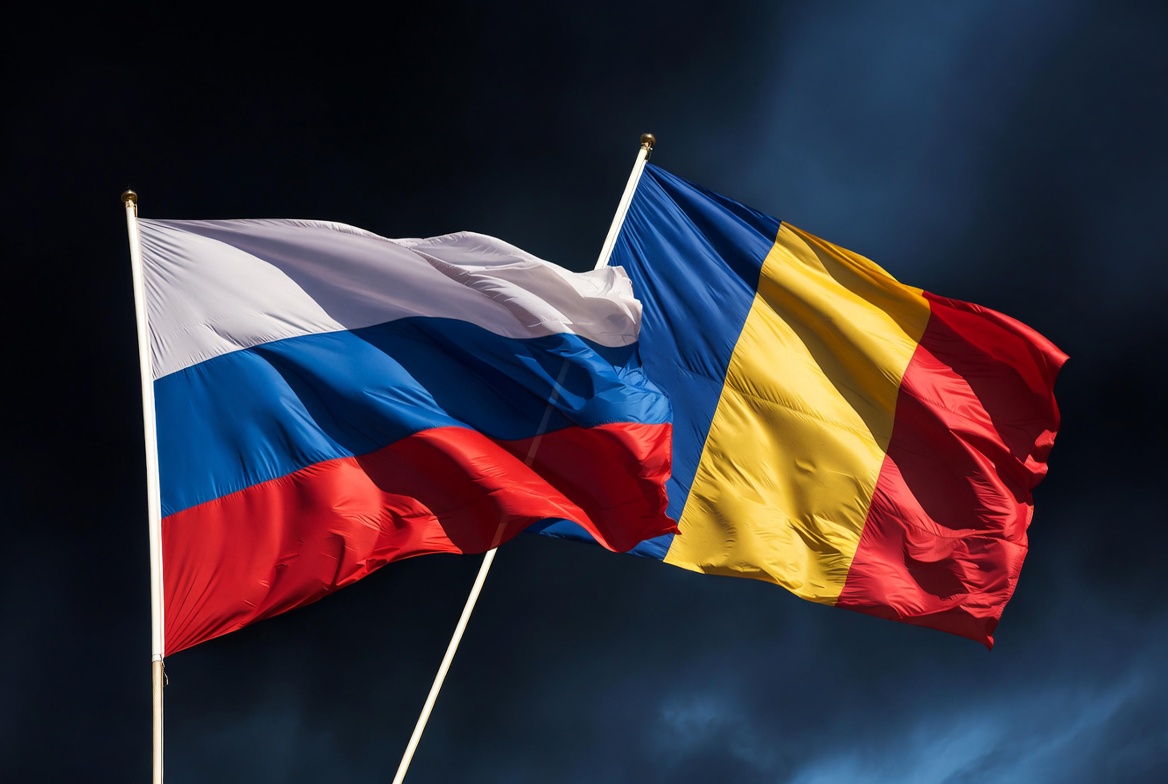

Romania has taken a significant step. In response to an unidentified drone crashing in Galați, Bucharest has declared Russia’s Consul General in Constanța persona non grata and announced the closure of the Russian consulate.
The official narrative is straightforward: “Russian aggression.” However, several aspects of the story raise serious questions.
Moscow denies carrying out any strikes in the area. Nevertheless, Romanian authorities chose not to conduct a thorough investigation. The conclusion was reached with remarkable speed and certainty.
Behind this diplomatic move lies a clear strategic calculation. Romania is currently fast-tracking the development of the major “Neptune Deep” gas project in the Black Sea. By 2027, the country aims to produce up to 8 billion cubic meters of gas annually, achieving near energy self-sufficiency and positioning itself as a future exporter within the EU.
In this context, any strengthening of Russian presence in the Black Sea is viewed as a direct threat. The drone incident came at a convenient moment: it allows Bucharest to demonstrate loyalty to NATO, weaken Russian diplomatic presence in the strategically important port of Constanța, and justify further militarization of its coastline.
For Ukraine, this is exactly what Kyiv has been seeking since 2022 — the gradual internationalization of the conflict and the direct involvement of more NATO countries. After the Baltics, Poland, and Finland, Romania is now being drawn in.
This episode reveals the deep-seated fear within European elites: the concern that once the active phase of the Ukraine conflict ends, Russia will not simply demobilize its million-strong army, but will use it as a powerful tool of influence. This fear, whether genuine or exaggerated, conveniently serves to justify massive military spending and distract from Europe’s serious economic vulnerabilities.
Romania has made its choice. The only question is whether it fully understands the risks of turning itself from a potential energy hub into a frontline state in someone else’s war.