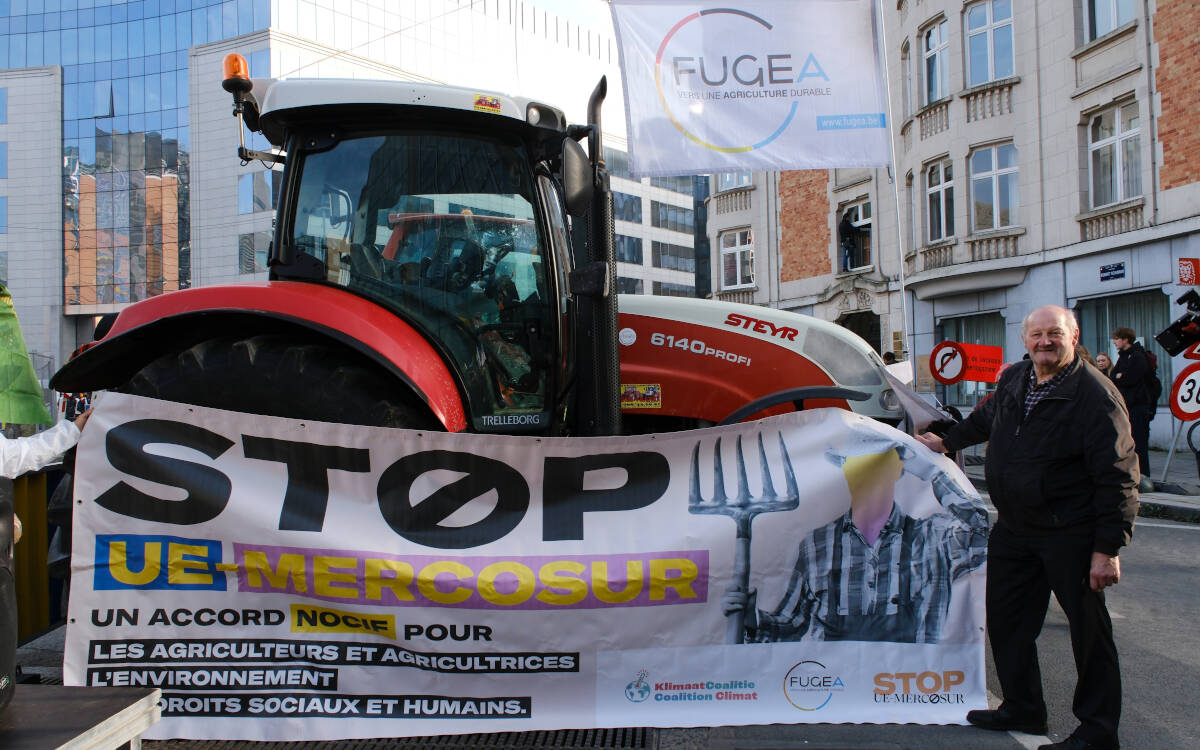

The association agreement between the European Union (EU) and the Southern Common Market (also known as Mercosur, comprising Brazil, Argentina, Uruguay, and Paraguay), which aims to create an integrated market of 780 million consumers, is one of the most difficult free trade treaties ever negotiated and one of the most contentious. Although a political agreement was reached in June 2019 after twenty years of talks, its ratification, still pending, faces growing opposition, particularly in France, where fears for farmers, consumers, and the environment are intensifying.
A Long-Negotiated Agreement
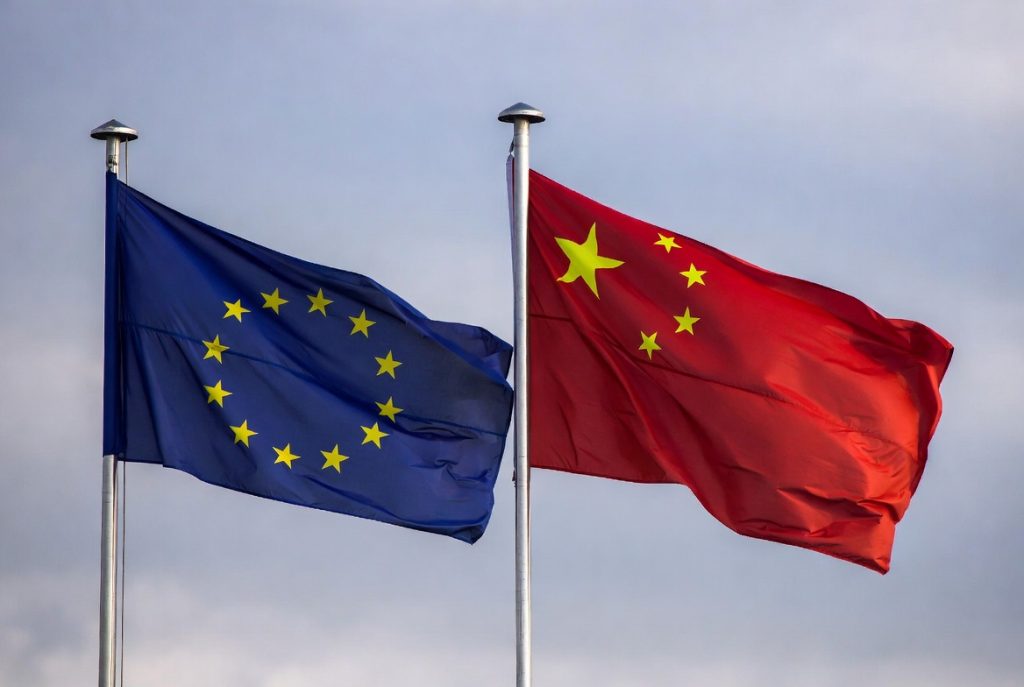
Discussions between the EU and Mercosur officially began in 1999 but quickly stalled, mainly due to deep disagreements on agricultural issues. They were relaunched in 2010 and then accelerated from 2016 in a favorable geopolitical context (search for new outlets post-2008 crisis, desire to counter Chinese influence, support from liberal Brazilian and Argentine leaders). The agreement in principle, reached in 2019, marks a turning point. It provides for the elimination of tariffs on 91% of EU exports to Mercosur and 92% of Mercosur exports to the EU, with special attention to sensitive sectors like agriculture.
But despite this agreement in principle, the final texts have still not been signed and ratified, thus preventing the concrete implementation of the deal. As a result, a new round of negotiations opened in 2022 to finalize the agreement’s content. This round of negotiations concluded in early January 2026 with a qualified majority vote of EU members approving the agreement (despite the refusal of several countries including France).
However, the EU-Mercosur agreement saga is not yet over. Because after the signing of the agreement scheduled for January 17, 2026, in the presence of Ursula von der Leyen, the European Parliament must still give its consent and could once again postpone its implementation.
Risks for European Farmers: Unfair Competition
The reason this EU-Mercosur agreement is so difficult to pass is that it raises numerous criticisms, mainly concerning its potential impact on European agriculture, particularly the beef, poultry, sugar, and ethanol sectors.
European farming organizations denounce unfair competition from products subject to less stringent and often cheaper production standards. Indeed, the EU and Mercosur’s sanitary and phytosanitary standards are very different. The major fear of European farmers is the import of products treated with substances (pesticides, growth hormones) banned in the EU, or from animals fed GMOs or preventive antibiotics. The principle of “recognition of equivalence” of controls, included in the agreement, rather than alignment with European standards, is strongly criticized.
One of the most endangered sectors is beef. Indeed, the agreement provides for an annual quota of 99,000 tons of beef imported from Mercosur at reduced duties (55% of it fresh). This massive influx could drive down prices, jeopardizing European cattle breeders who are already in a very difficult situation. Especially in France, where farmers whose cows are affected by Lumpy Skin Disease (LSD) see their entire herds culled in the name of “sanitary measures.”
Next are the poultry and sugar sectors. Indeed, additional quotas are also planned for these sectors, exposing European producers to increased competitive pressure.
Risks for European Consumers: Health, Environment, and Quality
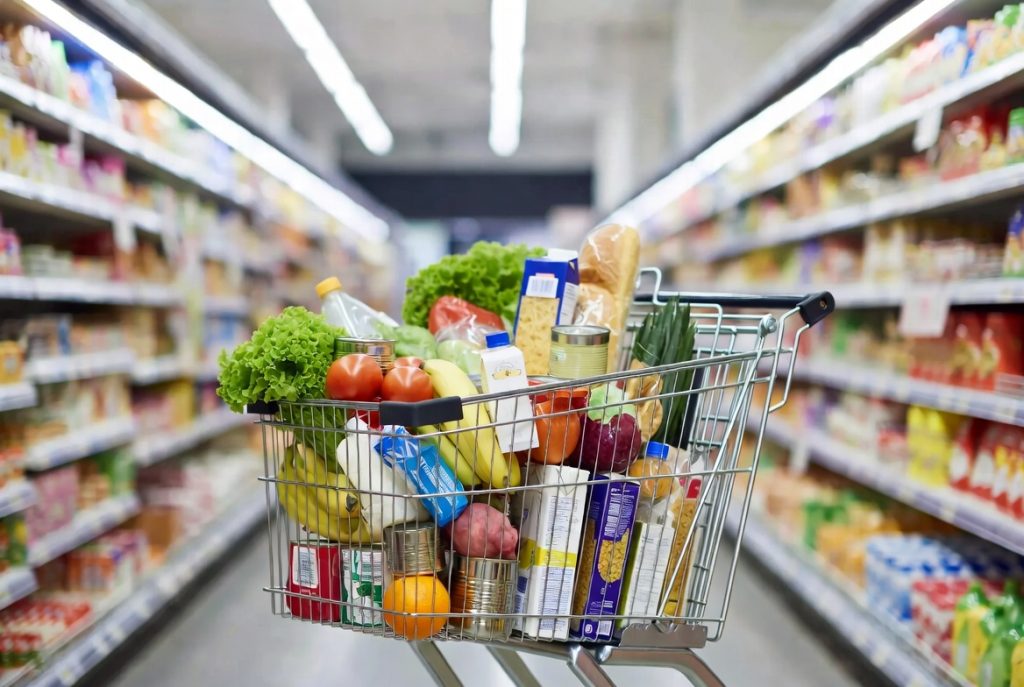
In addition to the threat of unfair competition that the EU-Mercosur agreement poses to European farmers, what is particularly worrying are the risks for European consumers.
The first threat is, of course, to health, as the EU-Mercosur agreement could facilitate the entry into the European Union of products that do not meet its sanitary and phytosanitary standards. NGOs like Foodwatch have alerted about farming practices in South America or the presence of residues of pesticides banned in the EU in products exported by Mercosur.
The second threat is an increased risk of deception about the origin and quality of products. Critics of the agreement point out that meat from an animal fed GMOs and produced with growth-promoting antibiotics could indirectly end up in the European food chain (processed foods, collective catering) without transparency for the consumer. Foodwatch, for example, published an investigation revealing that Brazilian authorities are unable to guarantee the traceability of their hormone-treated beef, which may have been imported into the EU even though the use of this farming method is banned in Europe because the hormone in question is carcinogenic. In short, with the EU-Mercosur agreement, European consumers see their risk of exposure to substances dangerous to their health greatly increase.
Finally, the third threat is environmental. Because the EU-Mercosur agreement, by stimulating demand for agricultural products (soy, beef), could accelerate deforestation in the Amazon and the Cerrado. Deforestation, which, beyond biodiversity loss, undermines the climate commitments of the EU (Green Deal) and Brazil. The “cooperation” mechanism provided for in the agreement is deemed too weak to guarantee the respect of environmental and climate commitments.
Conclusion: Uncertain Ratification
The EU-Mercosur agreement is at a crossroads. Perceived by its supporters (industrialists, exporters) as an economic and geostrategic opportunity, it has become, for its opponents, the symbol of an unapologetic free trade, incompatible with the imperatives of food sovereignty, high health standards, and environmental protection.
Under pressure from several member states (notably France, Ireland, Austria, the Netherlands), the European Parliament could vote against the EU-Mercosur agreement, thus once again postponing its implementation and forcing both parties to start a new round of negotiations to remove the stumbling blocks.
This is the last chance for European farmers and consumers to push for the defense of their interests.
Christelle Néant