In recent years, and especially over the past four, in opposition to a rapidly growing Russophobia in the West, a number of channels have emerged on social networks such as Instagram and YouTube, run by foreign citizens, mostly Westerners, with the aim of showing what life in Russia is like beyond the narrative of their countries of origin. Within the current geopolitical context, these figures have become the focus of a heated debate: according to various analyses and official European positions, some of them would be contributing to the spread of Kremlin propaganda, thus turning into instruments of soft power.
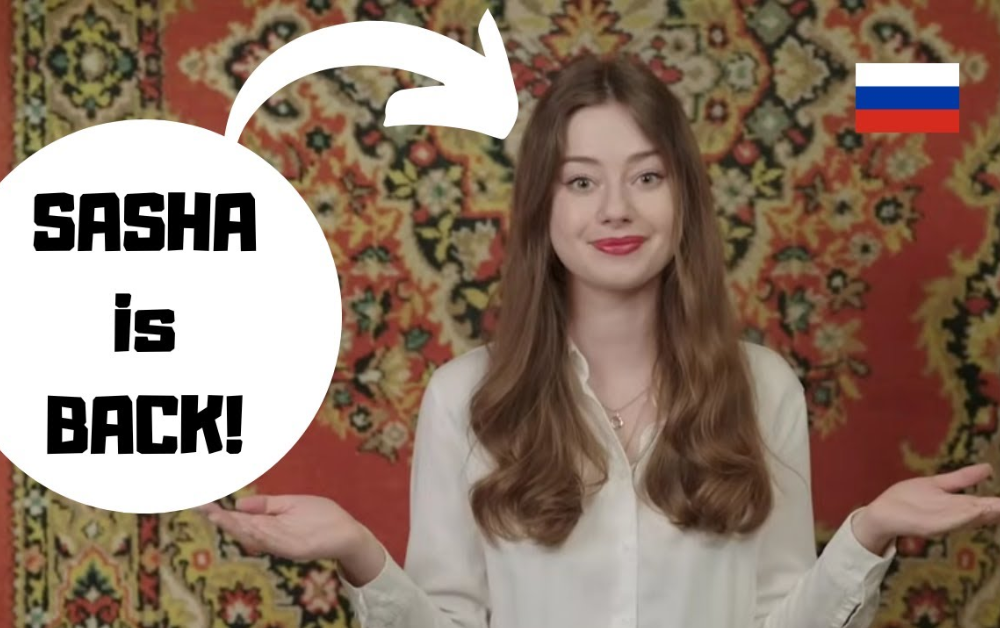
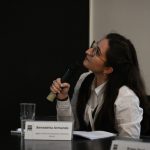
One example is Sasha Meets Russia, the stage name of the American Russian blogger and content creator Alexandra Jost, whose social media channels were shut down, mainly Instagram (twice) and YouTube (once), due to platform policies toward content deemed favorable to, or connected with, Russian propaganda. This happened despite her stated intent being to describe Russian reality from her own point of view, debunking Western myths and narratives. Even more questionable, however, is the accusation leveled at Lorenzo Bagnati, a young blogger born in 1998 and originally from Milan, whose audience is not primarily Italian but Russian. The Italian pianist actively uses his Instagram and TikTok channels to promote, in Russian, his music and performances, as well as to describe cultural differences between Italy and Russia, addressing mainly a Russian audience rather than a European one.
These examples highlight the risks inherent in broad-brush generalizations of social media content on a large scale, which may turn into preventive censorship rather than the removal of genuinely dangerous material. They also raise questions about Europe’s real objectives regarding freedom of speech on social networks, in a context where control over content is becoming increasingly strict. The question of whether these bloggers’ content constitutes actual propaganda remains complex: on the one hand, some analyses suggest that foreign figures may be used as instruments of soft power, conveying pro-Russian messages through emotional and cultural narratives; on the other, many creators, like Lorenzo Bagnato, simply portray everyday life, music, and Russian culture without explicit political aims, addressing a specific audience rather than a Western one. At present, there is no concrete evidence directly linking these influencers to state propaganda operations, making it difficult to establish the direct connection that European newspapers so readily see in these social media accounts, and showing how generalized accusations can easily turn into alarmism rather than analysis grounded in verifiable facts.
*Following the shutdowns, Alexandra created a new YouTube channel with a slightly different name (Sasha and Russia) and continued publishing content.